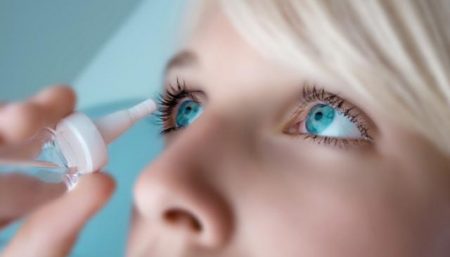
The word conjunctivitis refers to the swelling and redness of the thin layer of mucous membrane (the conjunctiva) that lines the inside of your eyelids and the white part of your eye. Allergic conjunctivitis often involves itching, watering, and redness of the eye.
An allergic response is an unwarranted over-reaction of the body’s immune system to foreign substances known as allergens, which the body wrongly perceives as a potential threat. The response can be innate or acquired. |
Allergic Conjunctivitis could be seasonal or perennial (year round). Seasonal allergic conjunctivitis .. (hay fever conjunctivitis), is the more common type and as the name suggests, it is related to specific pollens that spore during specific seasons. Symptoms generally include red, itchy, and watery eyes. People affected by hay fever and other seasonal allergies also experience symptoms involving the nose and throat. Perennial allergic conjunctivitis is a year-round allergic condition. These allergic responses are often related to animal dander, dust, or other allergens that are present in the environment year round. Symptoms are similar to seasonal allergic conjunctivitis: however, they tend to be milder.
Seasonal allergic conjunctivitis generally occurs in the spring months (grass pollen induced), and in the late summer months (ragweed pollen induced). Itching is a dominant symptom in seasonal allergic conjunctivitis diagnosis, as well as watery/mucus discharge, burning, and redness.
Causes of Allergic Conjunctivitis
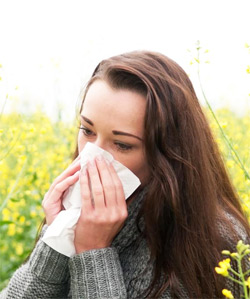 A person develops the condition when exposed to an allergic or sensitive substance, also known as an allergen. Trees, grass, weeds, and flowers release the allergen pollen into the air. During the spring and fall months, pollen levels are at their highest. Pollen is considered one of the hardest causes of allergic conjunctivitis to control. Some common types of pollen include, ragweed, cedar and ash.
- Allergen mold is also released through the air, from substances such as leaves, grass, and hay. It can also develop in damp atmospheres within the home, such as the kitchen or bathroom.
- Pets: A dog or cat’s dander, or skin flakes, as well as its saliva and urine can be powerful allergens. Although the actual hair of a pet is not considered a powerful allergen itself, the pet’s hair or fur can collect mold, pollen, and dust.
- Dust mites, tiny bugs that are related to spiders and ticks, also cause allergic conjunctivitis.
- Air pollution, such as the type released from automobiles and factories, is commonly one of the more powerful types of contamination linked to allergic conjunctivitis.
- Cosmetics
- Cigarette smoke
- Chemicals found in certain paints, carpeting, etc.There are several unique man-made and natural causes of allergic conjunctivitis. By avoiding or minimizing contact with these substances, you can limit the degree of your allergic reactions.
Symptoms:
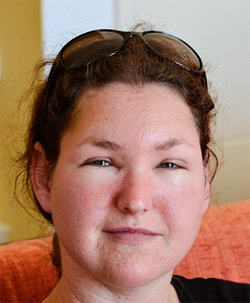 The Seasonal allergies typically produce a thin, watery discharge and do not involve the cornea
- Burning in eye
- swollen and red eyelids.
- stringy discharge
- intense itching of the eyes
- Pus formation
- copious tearing
- sensation of foreign body in eye
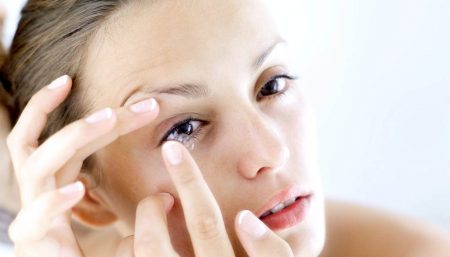
Allergy sufferers who wear contact lenses can experience higher incidences of allergic conjunctivitis during the allergy season, although in some situations chafing of the conjunctiva by the edge of the lens can be mistaken for an allergic reaction. If it is an allergy, it could be a reaction to the combination of your contact lenses and topical medication. In addition, pollen can stick to the lens, worsening the situation. Sometimes, a semirigid gas-permeable lens will help because it doesn’t pick up as much pollen. Otherwise, the best treatment is not to wear contacts during the allergy season.
Diagnosis
Conjunctivitis can usually be diagnosed and treated by your General Practitioner. The doctor will usually diagnose the condition based on examination of your eyes and the history that you give. Sometimes a swab has to be taken from the eye, especially if there is no improvement on standard treatment. In some cases that are severe or do not respond to treatment, you may need to see an eye specialist (ophthalmologist).
Treatment
 A cool compress on the eyes may relieve some of the symptoms and help prevent rubbing the eyes. If the eyelids have crusts, gently soften them with warm compresses. Gently washing the eyelids with baby shampoo on a cotton applicator can help remove crusts.
Artificial tears used several times a day (4-6 times) can also relieve symptoms. If you suspect pink eye, remember to wash your hands often, and avoid touching the unaffected eye. The infection will run its course in about 10 days.
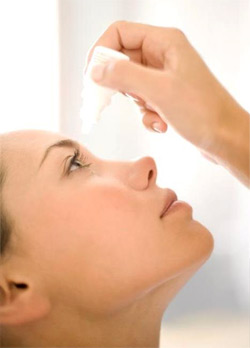
This can be treated using topical antihistamine drops. Drops such as sodium cromoglicate can be used to prevent the allergic response and they need to be used for many weeks in order to give any result. Dispose of any antibiotic eye drops after the treatment is over. People who suffer from conjunctivitis should have a special towel that only they use.
Corticosteroid drops are occasionally used, but should only be used under the supervision of an ophthalmologist. The main treatment should be identifying what is triggering off the allergic response and removing this source of allergen.
Even if left untreated, most forms of conjunctivitis will gradually get better on their own in a few weeks. |
Prevention
- In order to prevent allergic conjunctivitis, one should attempt to identify which allergens cause the symptoms. Once the specific types are pinpointed, one should then attempt to avoid them by taking the necessary precautions. Staying indoors when mold and pollen levels are high, vacuuming the house to lift pet hair, pet dander, and dust mites are some examples of actions one can take to avoid or minimize allergic conjunctivitis reactions.
- Good hygiene of hands and face is important. There should be no sharing of face towels, especially if someone has conjunctivitis.
- Conjunctivitis can spread from one eye to the other, especially when you rub your eyes. Pus and crust should be removed by bathing the eye with lukewarm salt water which can also lessen the symptoms.
- Avoid wearing contacts during the allergy season.
- Change your pillowcase daily
- If cosmetic is the cause, discard your eye make-up, because it is probably contaminated. Resume wearing eye make-up only after the conjunctivitis has resolved.
Related Links
Disclaimer
The Content is not intended to be a substitute for professional medical advice, diagnosis, or treatment. Always seek the advice of your physician or other qualified health provider with any questions you may have regarding a medical condition.