Once you have made the major purchases, you can start to attend to your baby’s more personal needs and do some advance planning.
Before you rush out to buy lots of baby clothes, a roomful of toys, and several packs of diapers, ask friends and family if they have any baby clothes or toys they can pass on to you, and which diapers they recommend. Now is also the time to think about how you want to feed your baby.
Baby Crib
You will need a solid crib. Almost every crib today is adjustable to two levels. One level is higher for the infant, you do not have to bend down to put the child to bed. The other level is lower for the older baby who can sit or stand up, you do not want them flipping over the edge. Bassinets are a waste of money. Most babies only fit in them for a few months at the most.
Baby Swing
Worth its weight in gold! Get a swing with a good sturdy bottom. You have no idea how tiring it can be rocking and moving with an infant all day and night long. The swing gives you a much needed break.
Diapers
In the last few years, parents have switched to disposable diapers in a big way. Although disposables are expensive, they are easy to use, fit well, and do not involve time – and energy – consuming washing and drying. Cloth diapers cost less, even after taking into account the costs of washing and drying, liners, plastic pants, and pins. And one baby is unlikely to wear them out, so you can use them for a second child. Using a diaper service – a company that takes away dirty diapers, washes and dries them, and delivers them to your home – costs about the same as using disposables.
Apart from their laundering requirements, cloth diapers are environment – friendly. Disposables use up resources at every stage. And, despite their name, they are difficult to dispose of. So far, there is no way to recycle them.
An alternative is reusable diapers. These shaped cloth diapers are used with liners, as normal cloth diapers are. But their shape and availability in several sizes give them almost as good a fit as, and the comfort of, a disposable. Some parents use cloth diapers most of the time, disposables or reusable when traveling or on vacation.
Babies can be cleaned with cotton dipped to kill any bacteria, then cooled, but packaged wipes are convenient, especially when you are traveling.
A barrier cream may be useful, but most professionals do not recommend baby powder because the fine particles can aggravate breathing problems in some babies.
Clothes
Keep your baby’s clothing simple and designed for easy diaper changing (front fastenings, wide necklines, and snaps up the insides of the legs, for example).
Avoid anything with drawstrings or lace in which small fingers could become trapped.
And buy only a few first-size items.
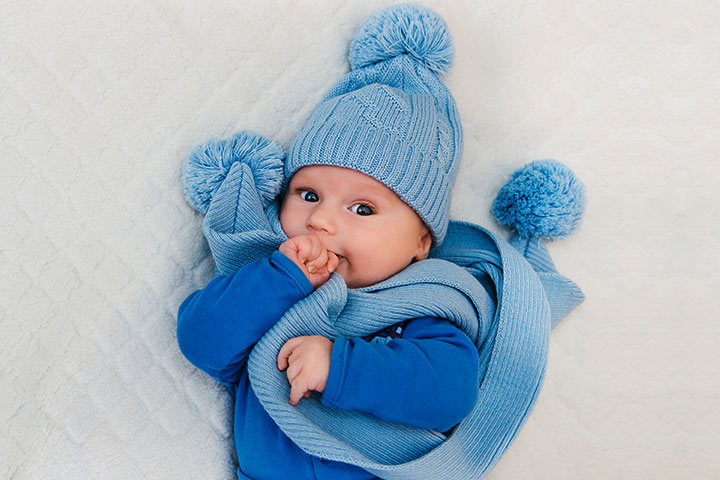
The following basics will see your baby through the first three months and prevent the need to wash a load of baby clothes more often than every other day or so: five all-in-one stretch suits; five undershirts; three cardigans or jackets; a receiving blanket; a warm hat for a winter baby, a sunhat for a summer baby. Make sure that everything you buy is machine washable and dryable, and colorfast.
Baby clothing is outgrown before it’s outworn, and good-quality clothing can be passed on to several babies before it starts to look shabby. Remember: the most unexpected people may send or give you baby clothes.
Feeding your baby
Breast-feeding requires no equipment, although you may find breast pads useful. If you want to express milk – a skill that allows you to take a few hours off from the baby – you’ll need a pump and bottles with nipples. If you plan to return to work, an electric breast pump may be useful. You can rent or buy one. A sterilizer is not vital for the odd bottle – just boil it in water for 10 minutes – but you will need a bottle brush to be sure that you have removed all traces of old milk.
If you are going to bottle-feed, you will need half a dozen bottles with nipples, plus sterilizing equipment. Some professionals argue that the high temperature of the water and air-drying in a dishwasher make sterilizing unnecessary. If you plan to put bottles in the dishwasher, check that they and their nipples are dishwasher-safe.
You don’t have to buy a high chair until later, when your baby will start eating solid foods. Still, it’s worth budgeting for one now.
Toys
A new baby does not need many toys, but she will like one or two small ones – she will not be able to focus on anything large – that become familiar from the start.
Check that toys conform to safety standards and are suitable for a newborn. Anything with sharp edges or small, detachable pieces is a hazard.
Car seat
A must for every baby and required by law in all states. They have a variety of them now. Check Consumer Reports for the best and safest seats.
Planning ahead
You may feel an almost physical “nesting instinct” in these last few weeks, an urge to make your home just right and comfortable for your baby.
If you feel a surge or energy as the birth draws near, use it profitably to complete any light household repairs or garden tasks you’ve been meaning to do “when you get around to it”.
Plan to do as much housework ahead of time as you can, to cover the two weeks or so following the birth.
You’ll be pleased at the extra time this gives you to spend with your baby, and you’ll appreciate the chance to catch up on your rest and sleep, as the baby allows.
Shopping
Eating well is as important after the birth as it was before, but you may have less time to cook and be too tired to do so. Cook in bulk now and stock the freezer with meals you need only to heat and serve.
Stock up on pantry items (pasta, legumes, grains) and household supplies.
Safety
Think about safety while you still have time to do something about it.
You may never need them, but it’s worth learning infant cardiopulmonary resuscitation techniques.
Ask your prenatal teacher or doctor for advice on where to go. Some hospitals offer courses, and instruction videos are available.
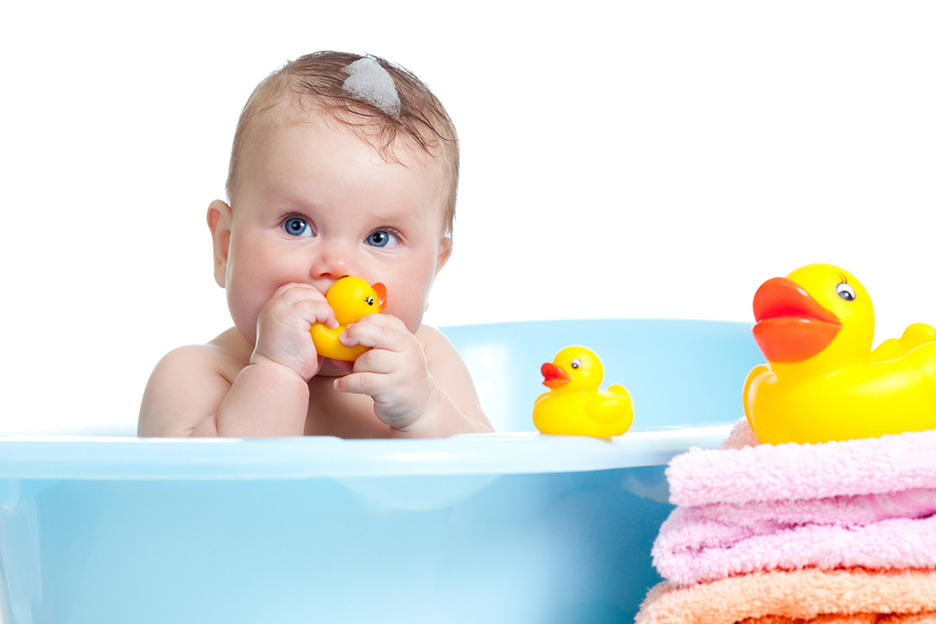
Make safety measures second nature before the baby arrives.
Run the cold water into the bath first, then add hot.
Turn the thermostat down a couple of degrees.
Shield fires and radiators.
Remove scatter rugs and fix any loose carpets, particularly on stairs.
Fit locks on cupboards containing medicines or chemicals.
Disclaimer
The Content is not intended to be a substitute for professional medical advice, diagnosis, or treatment. Always seek the advice of your physician or other qualified health provider with any questions you may have regarding a medical condition.